
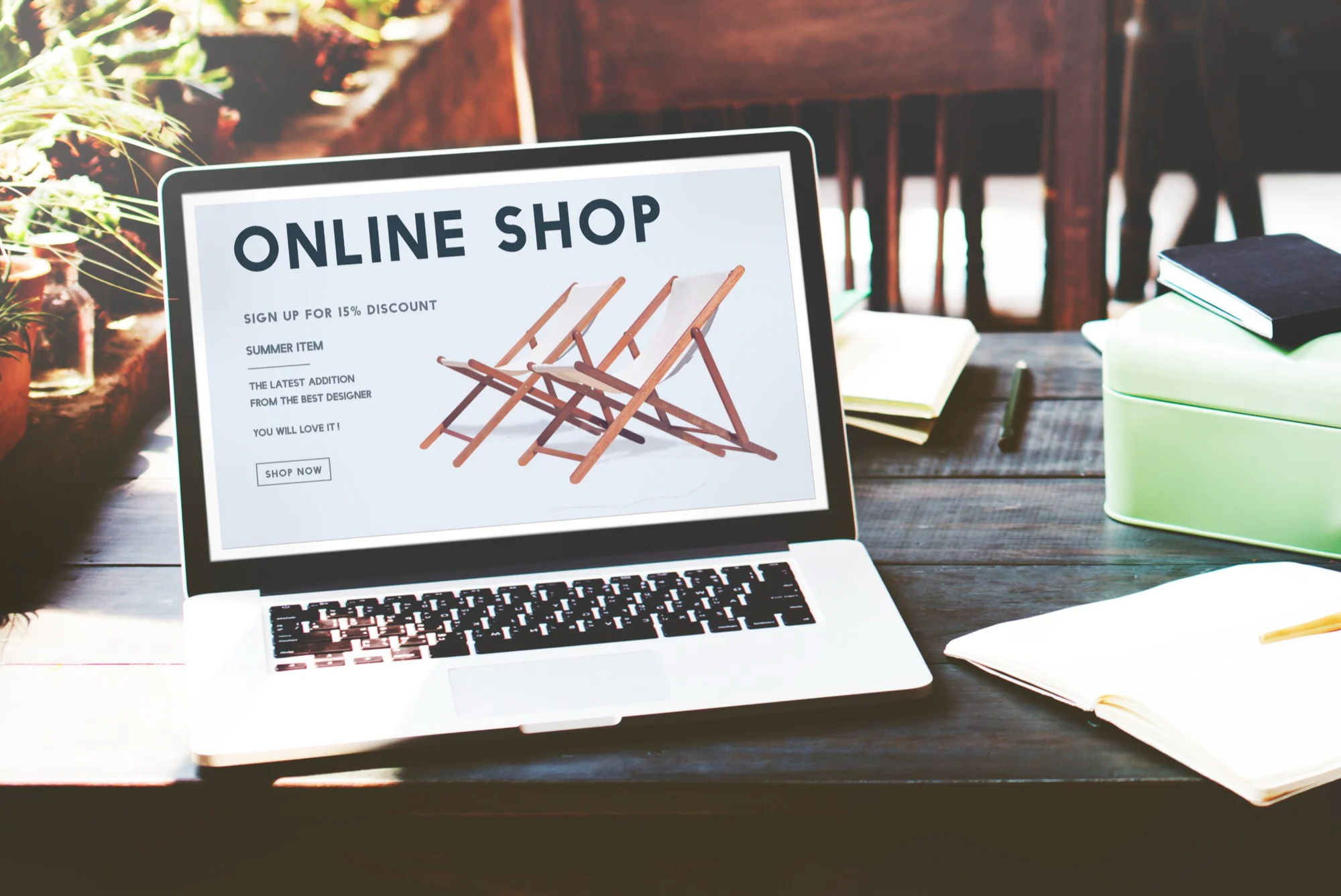
Opening a professional e-commerce store seems simple. In reality, it’s a complex project that, if done well, can radically transform a company’s revenue. If done badly, it becomes a cost with no return.
When it makes sense to open an e-commerce store
An e-commerce store makes sense when you have a physical or digital product to sell, when there’s verifiable online demand, when you’re prepared to handle logistics, shipping, and customer support, and when you have an adequate budget not just for the site but for marketing too. Assessing these factors before opening an e-commerce store is essential to avoid costly missteps.
Opening an e-commerce store: market analysis comes first
Before investing in an e-commerce store, it’s essential to verify there’s real demand for your products online. Tools like Google Trends and search data let you understand how interest in what you want to sell changes; estimating volumes requires dedicated data and tools. An e-commerce store launched without prior market analysis risks becoming an empty shop on a deserted street. Market research isn’t optional, it’s the mandatory first step before any investment. Before opening an e-commerce store, then, market data should guide every decision.
The role of marketing in e-commerce
Opening an e-commerce store without a dedicated marketing budget is one of the most costly mistakes a company can make. A new e-commerce site doesn’t receive traffic on its own. It needs SEO, advertising campaigns on Google and Meta, email marketing, and a social media presence to generate visitors and sales. The marketing budget for an e-commerce store should be set according to margins, competition, selected channels and a sustainable acquisition cost, in addition to development funding in its first year of operation. Anyone who underestimates this ends up with a perfect site that nobody visits.
Opening an e-commerce store: what it really costs
A basic e-commerce store built with WooCommerce, with payment integration, order management, and mobile optimization, starts at 1,200 euros with the first 10 products included; each additional product costs 1 euro, so with 50 products it starts at 1,240 euros. A more structured project with an advanced catalog, filters, multiple languages, and integrations with management software or shipping systems can run to 5,000 to 10,000 euros. Custom development on proprietary platforms starts at 15,000 euros and up.
What a well-built e-commerce store includes
A professional e-commerce store includes an SEO structure optimized from the very start, carefully crafted product pages, a smooth checkout system with as few steps as possible, complete legal pages (privacy, cookies, terms of sale, right of withdrawal), integration with the main payment methods, and an intuitive order management system.
The most common mistakes
Underestimating post-launch running costs is the most frequent mistake. An e-commerce store needs constant updates, catalog management, advertising campaigns, and customer support. The site is only the starting point.
WooCommerce, Shopify, or custom?
For most Italian SMEs, WooCommerce on WordPress is the most balanced solution: flexible, scalable, and with manageable costs. Shopify is great for anyone who wants simplicity of management. Custom development only makes sense for high volumes and high complexity. If you’re also considering a showcase site before opening an e-commerce store, read our guide on how much a professional website costs.
How to choose the right payment method
Customers abandon their cart when they can’t find the payment method they prefer. A professional e-commerce store should offer at least credit card, PayPal, and possibly installment payment or buy now pay later. In Italy, bank transfer is still required in some B2B sectors. Reducing friction in the payment process is one of the most effective ways to raise your conversion rate without increasing traffic to the site. Optimizing payments is one of the most profitable investments when opening an e-commerce store.
Logistics and shipping: the operational heart of e-commerce
Logistics is often the most underestimated aspect for anyone opening an e-commerce store for the first time. Managing warehousing, packaging, shipping, returns, and customer support takes time, resources, and clear processes. Shipping costs directly affect the cart abandonment rate. Opening a well-designed e-commerce store also means offering free shipping above a certain spending threshold, which is an effective strategy for increasing average order value. Integrating the site with the main Italian and European couriers from the start avoids costly operational problems later on. Managing logistics well is what turns an e-commerce store that’s merely open into one that actually grows.
SEO for e-commerce: organic visibility that lasts
SEO can help an e-commerce store reach relevant searches over time. Original descriptions, understandable categories and accurate product and image information form a foundation to build and maintain. Plan the work and assess its value through useful traffic, orders and the costs involved.
When an e-commerce store doesn’t make sense
Opening an e-commerce store isn’t always the right choice. If your product requires personalized consultation before purchase, if the online market is already saturated with competitors with huge budgets, or if you don’t have the resources to handle logistics and customer support, it might make more sense to invest in other digital channels. A showcase site with strong local rankings can generate more concrete results than a poorly run e-commerce store. The decision has to be based on data, not on the enthusiasm of the moment. For an honest assessment of your specific case, contact us for a free consultation.
Conclusion
A well-designed e-commerce store is one of the best investments a company can make. But it has to be done with method, with a clear strategy, and with proper attention to every detail.