
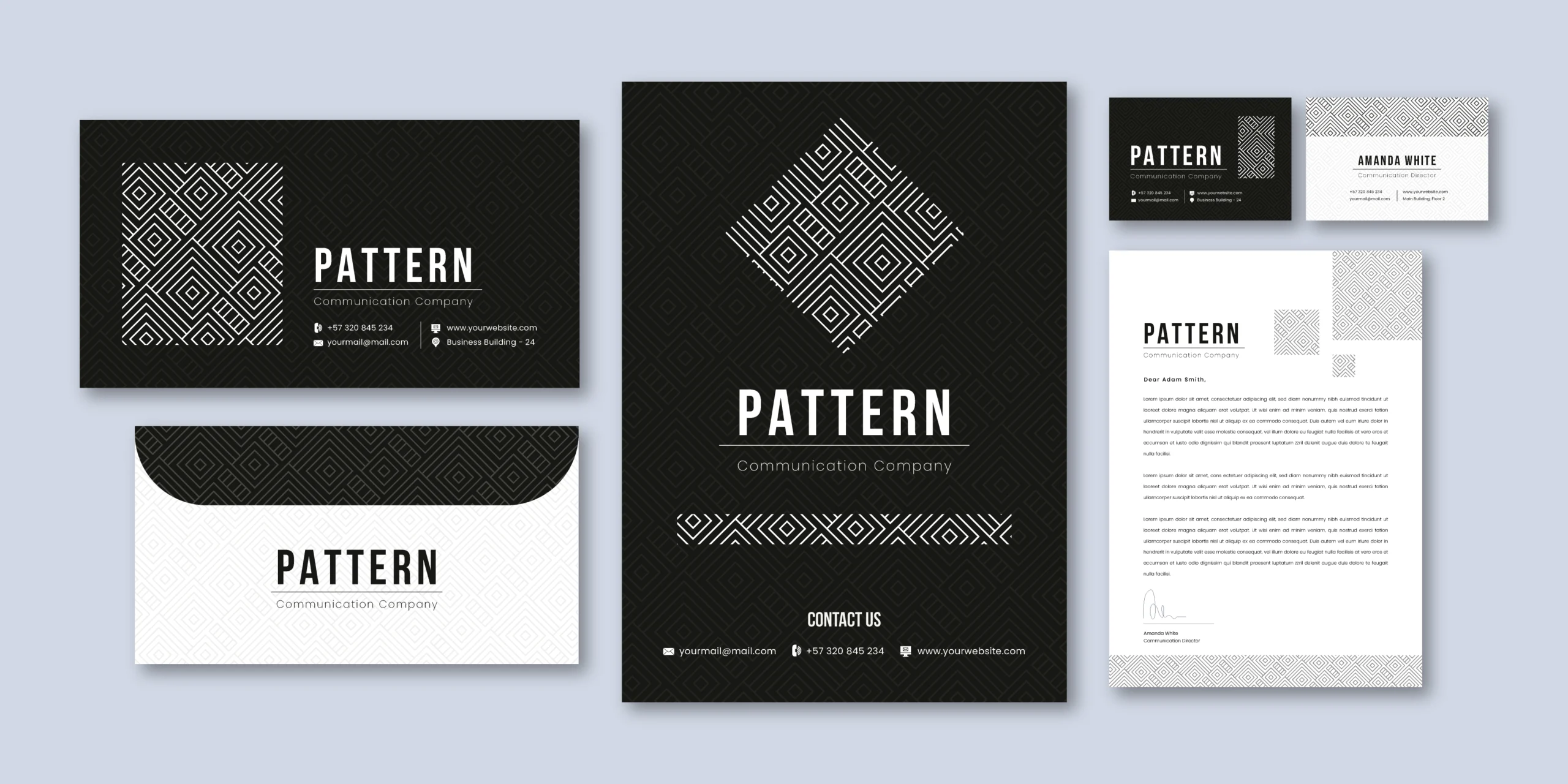
Does print design still work? In the digital age, print gets talked about less and less. And yet physical printed materials still make a difference, sometimes more than any social media campaign.
Why print still works
A business card handed over in person creates a physical, lasting impression that no LinkedIn profile can replicate. A brochure left on a table during a meeting tells your company’s story even when you’re not there. A well-designed menu in a restaurant is as much a part of the customer’s experience as the food itself.
The materials that still make a difference
The business card remains the most powerful networking tool in many industries. If it’s well designed, with quality paper, precise printing, and a design consistent with your brand, it communicates professionalism before you even open your mouth.
The company brochure is essential for anyone selling complex services or needing to present their business in detail. It has to be clear, visually consistent, and focused on the benefits for the customer.
For restaurants and food businesses, the menu is one of the most overlooked yet most impactful materials. A carefully designed menu increases the perceived value of the business and can directly influence what customers choose.
Posters and flyers remain effective tools for events, promotions, and local communications, especially in areas like Salento and many other regions with a high tourist presence, where physical word of mouth is still very strong.
Professional print design: the materials that make the difference
Professional print design isn’t just about choosing colors or fonts. It’s about the ability to communicate who you are, what you do, and why you’re different from the competition, through a physical object the customer can touch, keep, and show to others. A well-made printed piece stays on the table, in the bag, or in the customer’s office far longer than any social media post.
How much does professional print design cost?
The cost varies based on the complexity of the material and the number of formats needed. A professional business card starts at around 80 to 150 euros for graphic design. A complete company brochure can range between 200 and 500 euros. A full system of coordinated materials spanning business cards, brochures, letterhead, and posters represents an investment of between 400 and 1,000 euros that lasts for years. Investing in professional print design means investing in how your brand is perceived every time a customer holds one of your materials in their hands.
How to choose a professional for your print design
Not all graphic designers are the same. A print design professional knows the differences between RGB and CMYK colors, knows how to set up files with the correct bleed for printing, and knows the formats required by print shops. Relying on an inexperienced designer means risking printed materials with the wrong colors, cropped text, or poor quality. The difference between a professional piece and an amateur one is obvious at a glance, and it directly affects how your brand is perceived.
Print design and visual identity: one single system
Print design can’t be separated from your company’s visual identity. Logo, colors, fonts, and graphic style need to be consistent across every material, from the business card to the brochure, from the poster to the trade show banner. A consistent visual system increases brand recognition and builds trust over time. When a customer receives a business card, visits your website, and finds you on social media, they should perceive the same identity everywhere. That consistency is what sets a professional brand apart from an improvised one. Dig deeper into this topic in our brand identity guide for SMEs.
The industries where print design still makes a difference
Some industries benefit enormously from professional print design. In real estate, property listing brochures are still fundamental sales tools. In the food industry, carefully designed physical menus increase the perceived value of a venue. In the events industry, professional posters and flyers reach an audience that isn’t always reachable online. In professional practices, business cards and letterhead communicate authority and reliability. In luxury and premium sectors, high-quality printing is an integral part of the customer experience.
If you have a restaurant and want to understand what your website needs to have, also read our guide on restaurant websites.
Print design in Salento: why it’s still essential
In areas like Salento, where tourism and local businesses are an integral part of the economy, professional print design plays an even more important role. Tourist brochures, restaurant menus, posters for summer events, and promotional materials for beach businesses reach millions of tourists every year through physical materials. A business with carefully designed, professional graphic materials stands out immediately from the competition and leaves a lasting impression that leads to positive reviews and word of mouth.
Sustainable printing: the 2026 trend
In 2026, more and more companies are choosing sustainable print materials like recycled paper, eco-friendly inks, and formats that reduce waste. This choice isn’t just about ethics, it’s also an important communicative value. Customers appreciate companies that show care for the environment, and choosing sustainable materials can become part of the brand’s message. A print design professional who stays up to date knows the sustainable options available and how to work them into a project without sacrificing quality or visual impact. To dig deeper into industry trends, you can check out the specialized portal pixartprinting.it.
Consistency between digital and print
The secret is consistency. Printed materials need to use the same colors, fonts, and tone of voice as your website and social media. A brand that looks different online and offline loses credibility.
Conclusion
Digital and print aren’t in competition, they complement each other. The most effective companies use both consistently and strategically. In 2026, professional print design has never been more important for standing out. In a world saturated with digital content, a well-designed physical piece makes an impact, sticks around, and gets remembered. Companies that integrate print and digital consistently build a brand that’s more solid, more recognizable, and harder to ignore.